.png)
Auto Loans and Homebuying: What You Need to Know Before Buying a Car

This page contains affiliate links. If you click through, I may receive compensation. This helps support my work at no extra cost to you.
Thinking about buying a new car and your first home at the same time? Here’s a tip every first-time homebuyer should know: opening an auto loan right before you apply for a mortgage can make it much harder to qualify for your dream home. Let’s break down why.
What Is an Auto Loan?
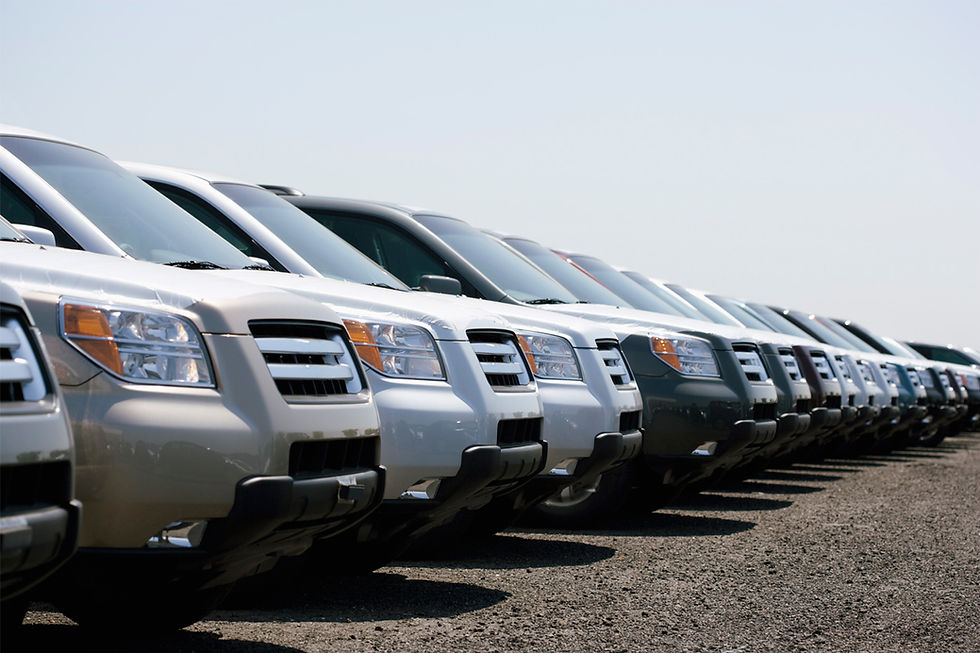
An auto loan is money you borrow from a bank, credit union, or online lender to buy a car. You agree to pay it back in fixed monthly payments, usually over three to seven years. The car itself acts as collateral, meaning the lender can repossess it if you stop making payments.
How Auto Loans Affect Your Debt-to-Income (DTI) Ratio
Your DTI ratio is one of the biggest numbers mortgage lenders look at. It’s the percentage of your monthly income that goes toward paying debts; like credit cards, student loans, and yes, auto loans.
How it works:
Add up your monthly debt payments (credit cards, student loans, auto loans, etc.)
Divide that by your gross monthly income (before taxes)
Multiply by 100 to get your DTI percentage
Most lenders want your DTI to be below 43%, and the lower, the better. A new auto loan can push your DTI up fast, shrinking the amount you qualify to borrow for a home.
Why First-Time Homebuyers Should Wait on That Car Loan
If you’re planning to buy your first home, it can be tempting to upgrade your car, too. But here’s why you should wait:
Lower Mortgage Approval Amount: Every new debt payment (like a car loan) cuts into the mortgage amount you qualify for. You could end up with a much smaller home budget than you expected.
Higher Risk of Denial: A higher DTI can make lenders nervous and could even lead to your mortgage application being denied.
Credit Score Impact: Taking on new debt can cause a temporary dip in your credit score, which can affect your mortgage interest rate.
Already Have an Auto Loan? Refinancing Could Help
If you already have an auto loan, refinancing before you apply for a mortgage could actually work in your favor, if it lowers your monthly payment. By refinancing at a lower interest rate or extending your loan term, you can reduce your monthly debt obligation. That means a lower DTI, which could help you qualify for a larger mortgage or better terms. Just be sure to weigh the costs and benefits, and check that refinancing won’t extend your debt longer than you’re comfortable with.
If you’re serious about buying your first home, hold off on any new auto loans until after you’ve closed on your mortgage. And if you already have an auto loan, consider refinancing to lower your DTI before you start the homebuying process.
Compare Auto Loan and Refinancing Offers the Smart Way with SuperMoney
Already have an auto loan or need to refinance an existing one? SuperMoney lets you compare real offers from top lenders, side by side, with no impact on your credit score. You’ll see rates, terms, and monthly payments all in one place, so you can make the best decision for your budget and your homebuying goals.
Check out SuperMoney’s auto loan and refinancing comparison tool and make your next move with confidence!


Comments